

Новини
Benefactors of the “MHP-Gromadi” Foundation continue to develop Ukrainian museums
17 october 2023
The “MHP-Gromadi” Charitable Foundation has established and is implementing a nationwide project, “Preservation of Cultural Heritage,” to support Ukrainian museums.
The project provides financial support to 5 rural museums. Two of the five, the Vasyl Stus Museum and the Mykola Leontovych Museum, were modernized, and the expositions were updated at the beginning of October.
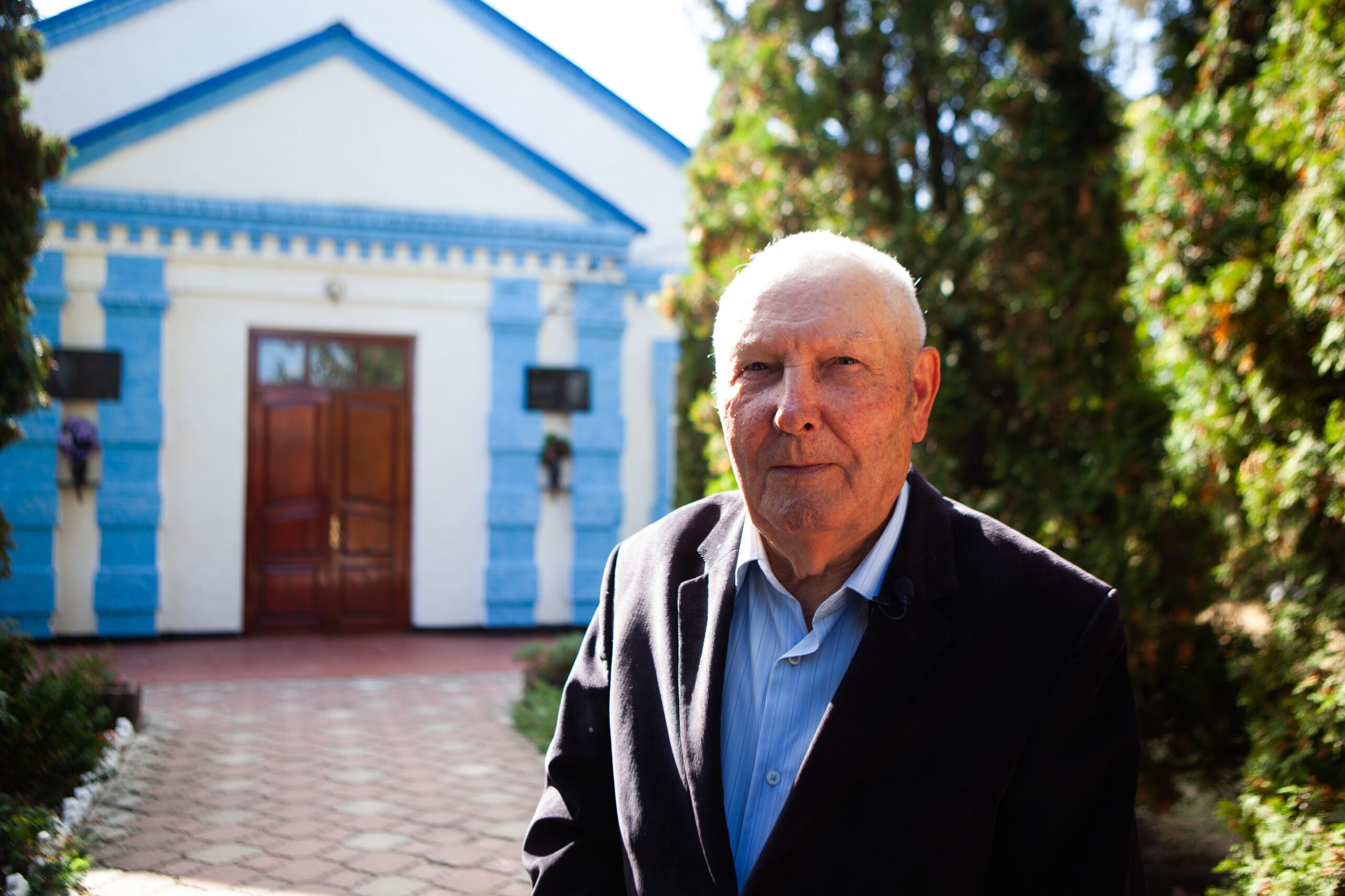
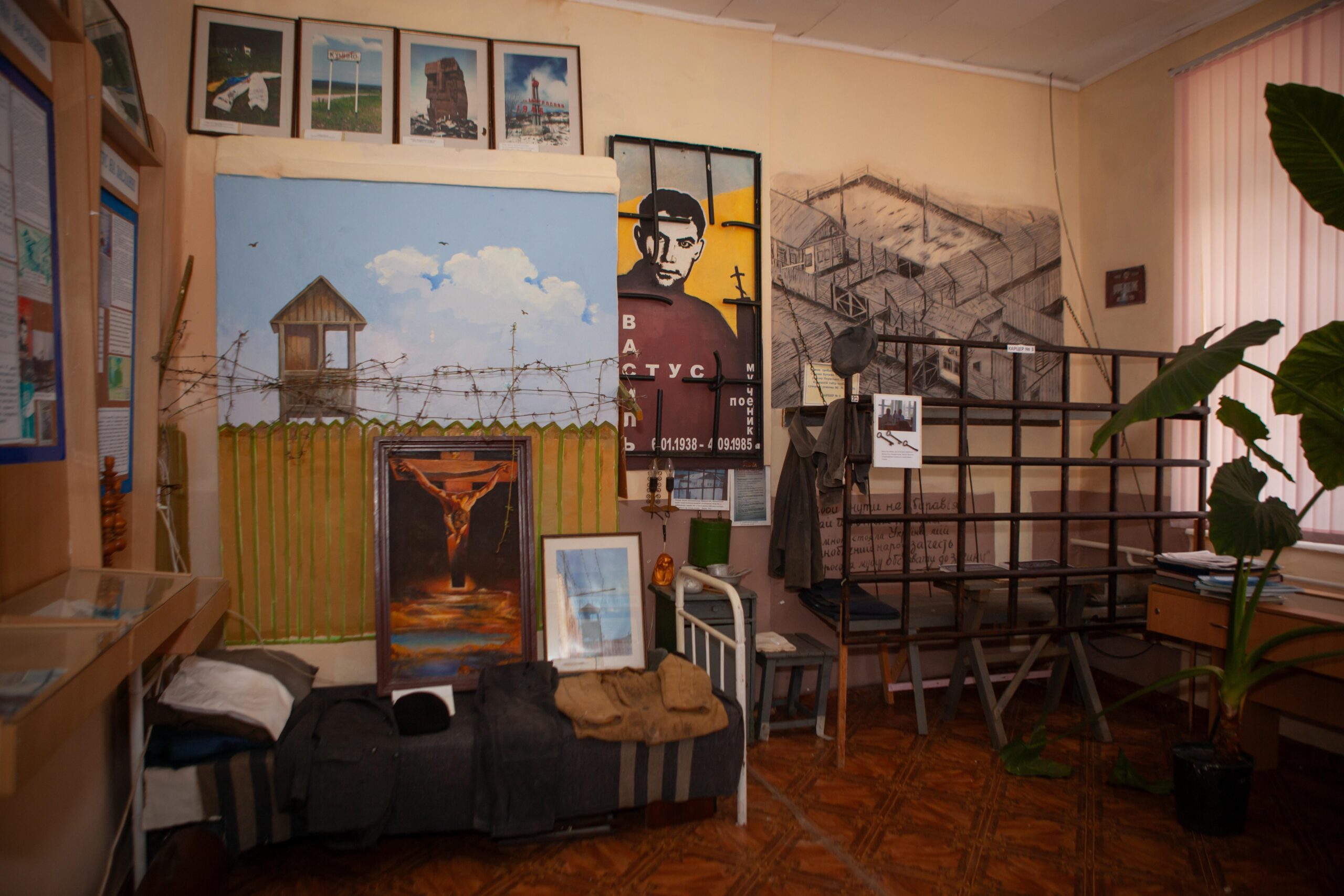
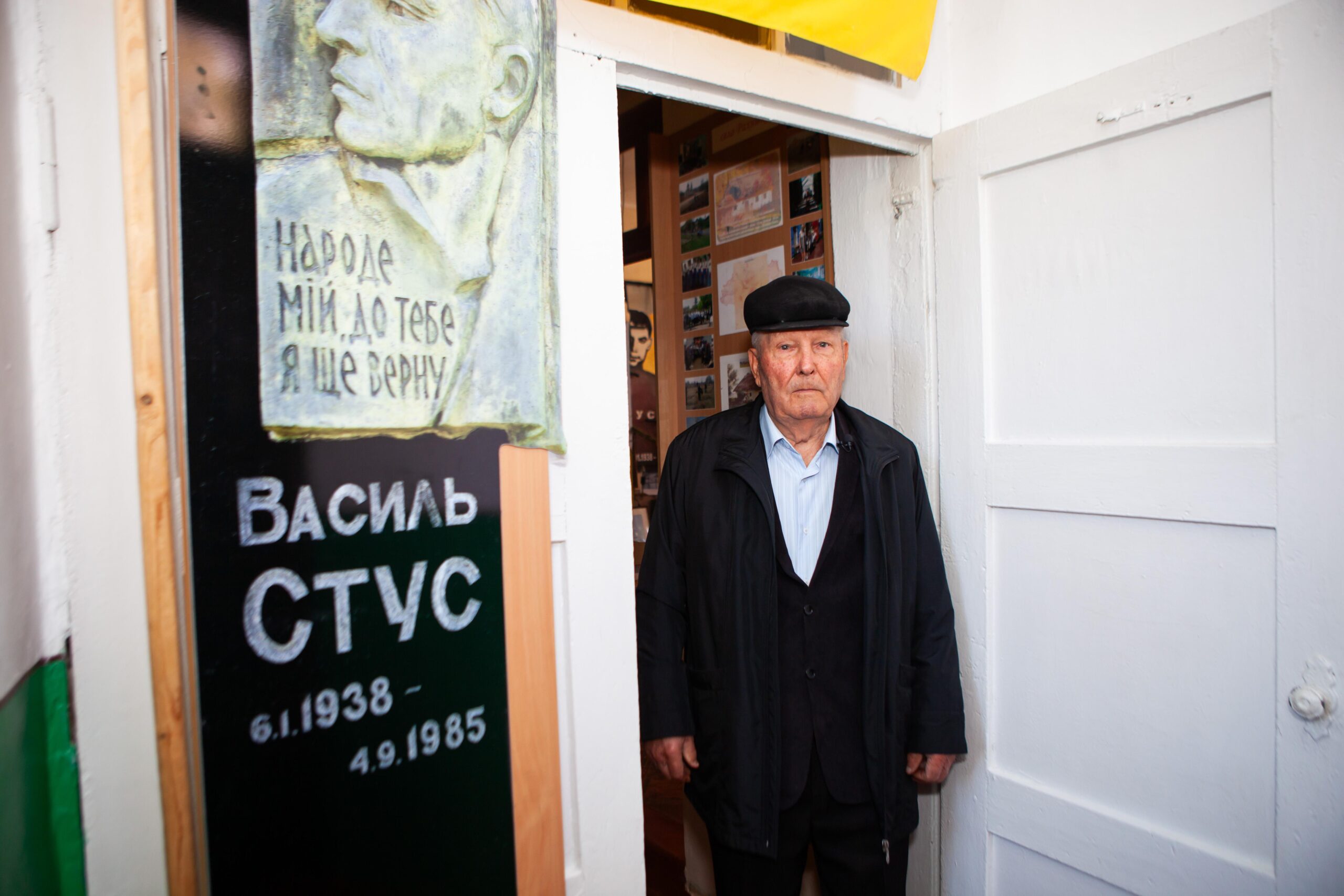
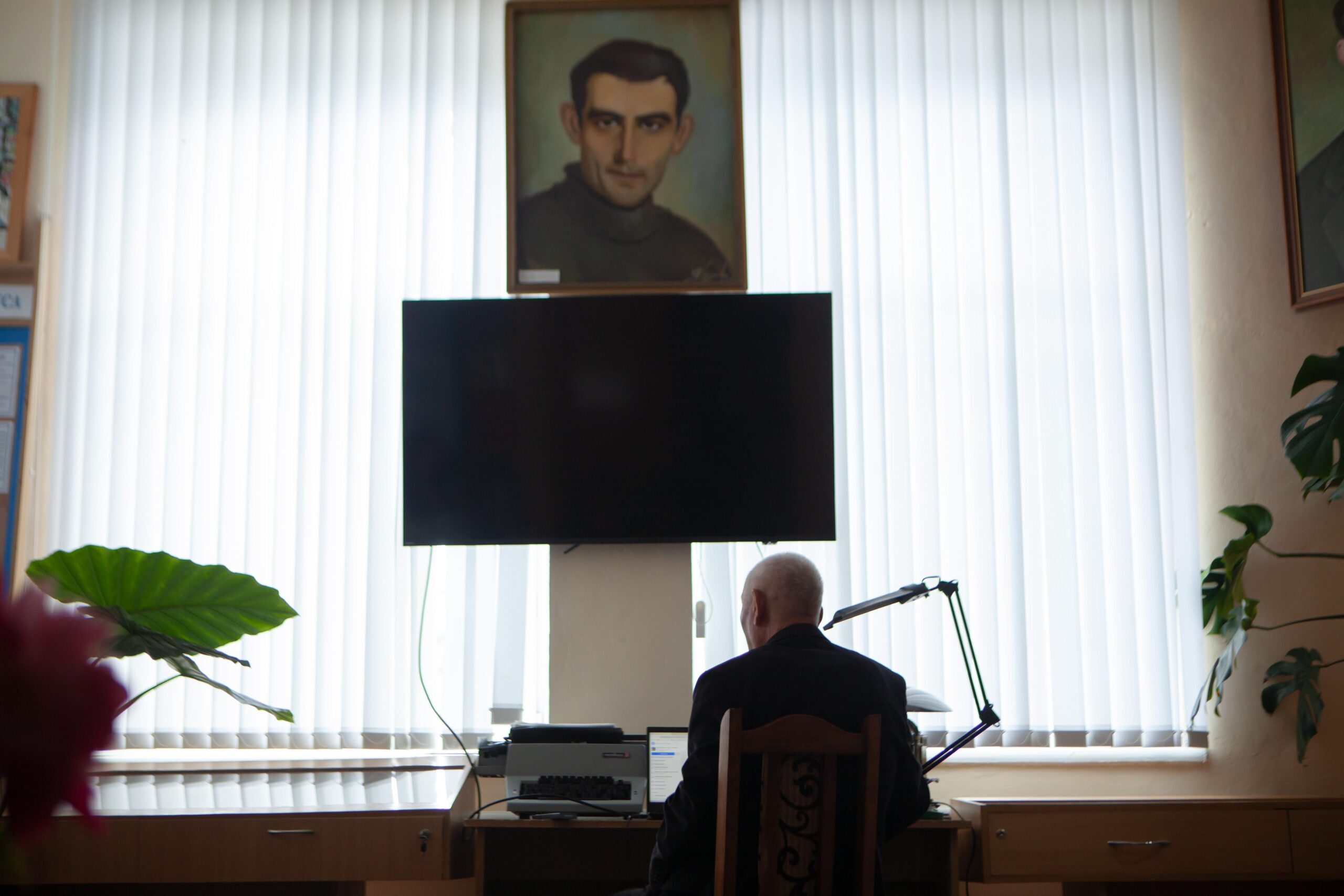
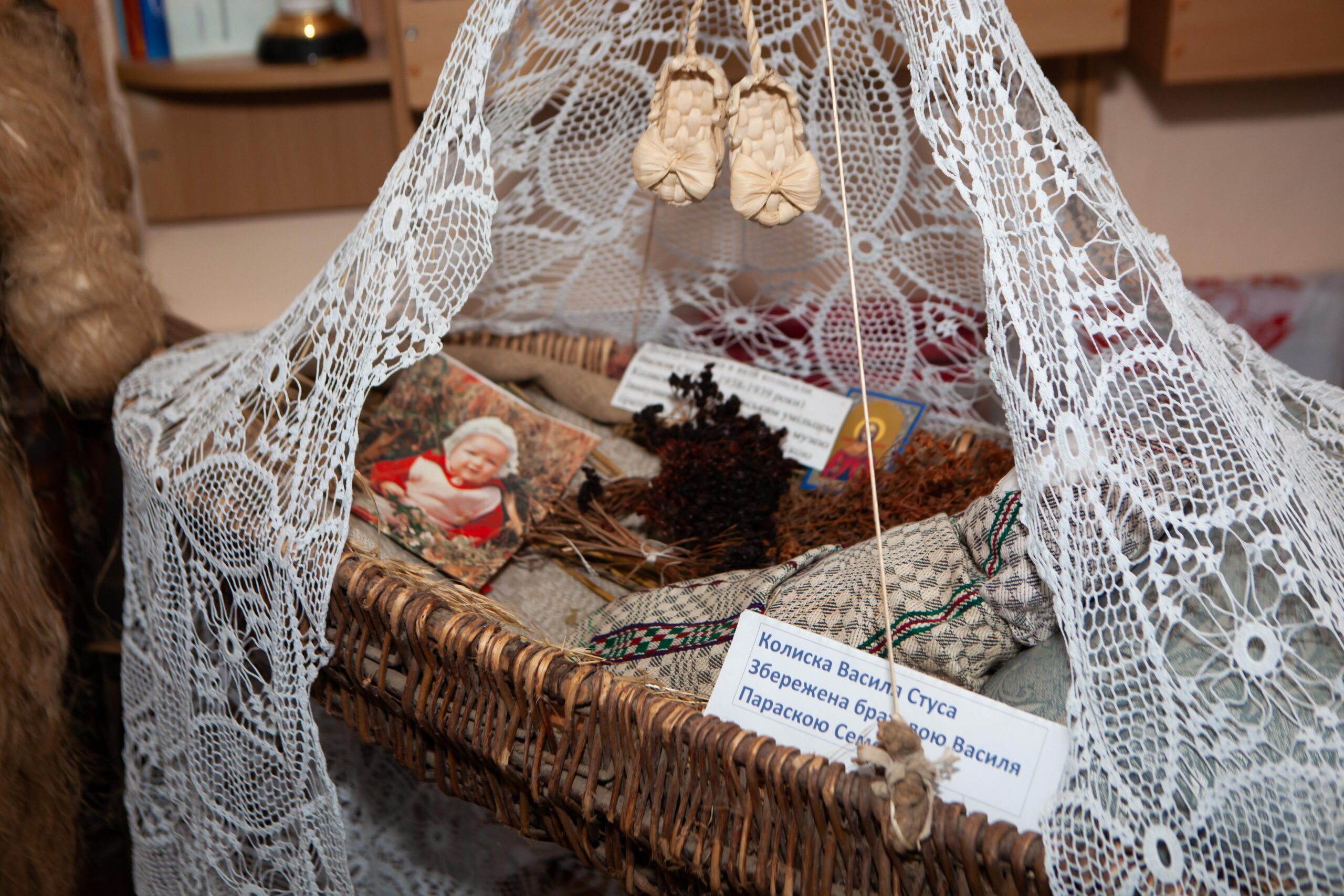
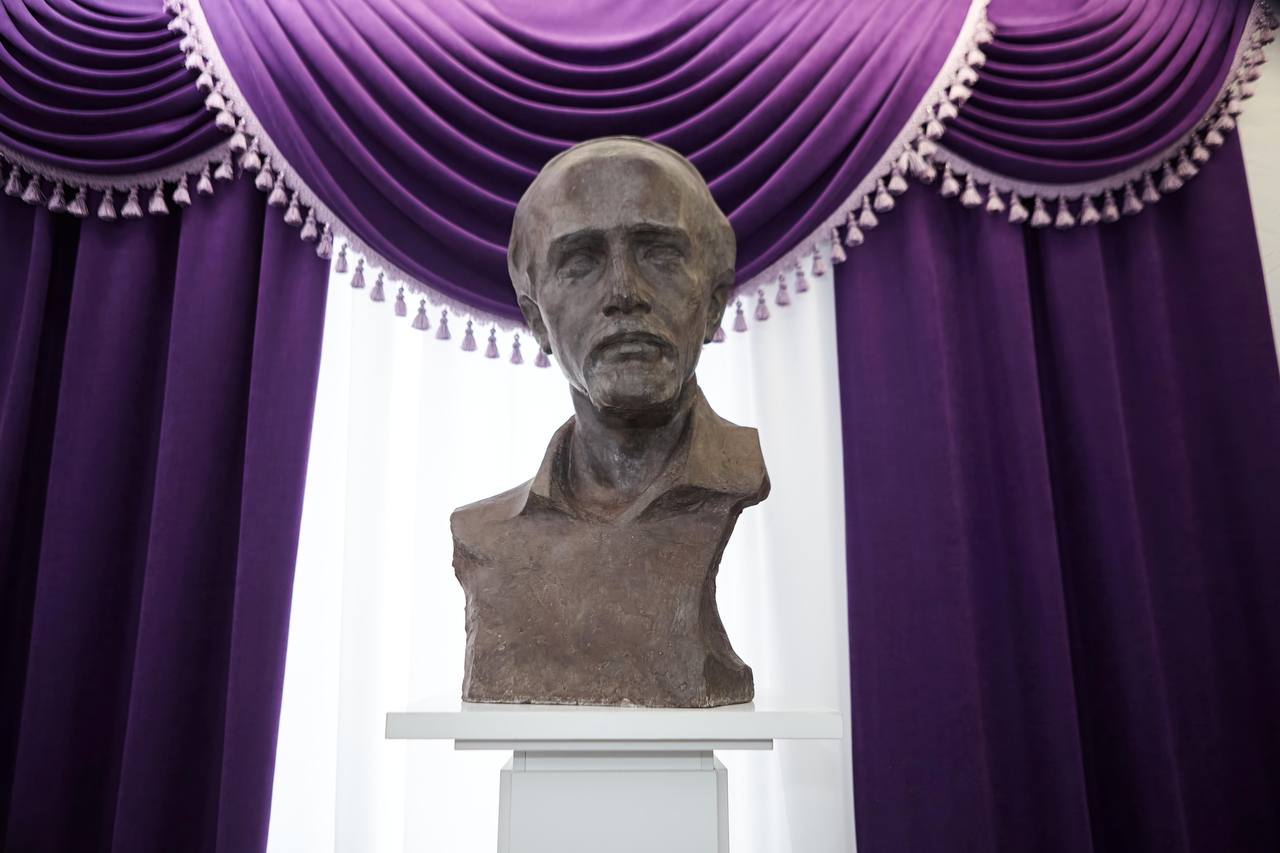
The Vasyl Stus Museum is located in a village school of Rakhnivka, Vinnytsia region. As part of the project, the museum received a TV and a laptop for a total amount of UAH 100,000, in addition to exhibit stands. Unique exhibits have also been added: Vasyl Stus’s military overcoat and other clothes, shoes, and personal belongings. The Head of the museum, Dmytro Omelianchuk, personally knew the prominent Ukrainian as a child, and already in his adult years, he set himself the goal of glorifying the gifted countryman.
“When I created this museum, there were six or eight homemade frames with inscriptions about Stus. There were almost no documents. I was interested in recreating the image of Vasyl as I remembered and saw him. Cooperation with the “MHP-Gromadi” Charitable Foundation gave us the opportunity to attract as many visitors as possible. We have new exhibits and equipment, and it has become more beautiful, convenient, and accessible. Today, we have about 820 different items,” comments Dmytro Omelianchuk, director and founder of the Vasyl Stus Museum in Rakhnivka.
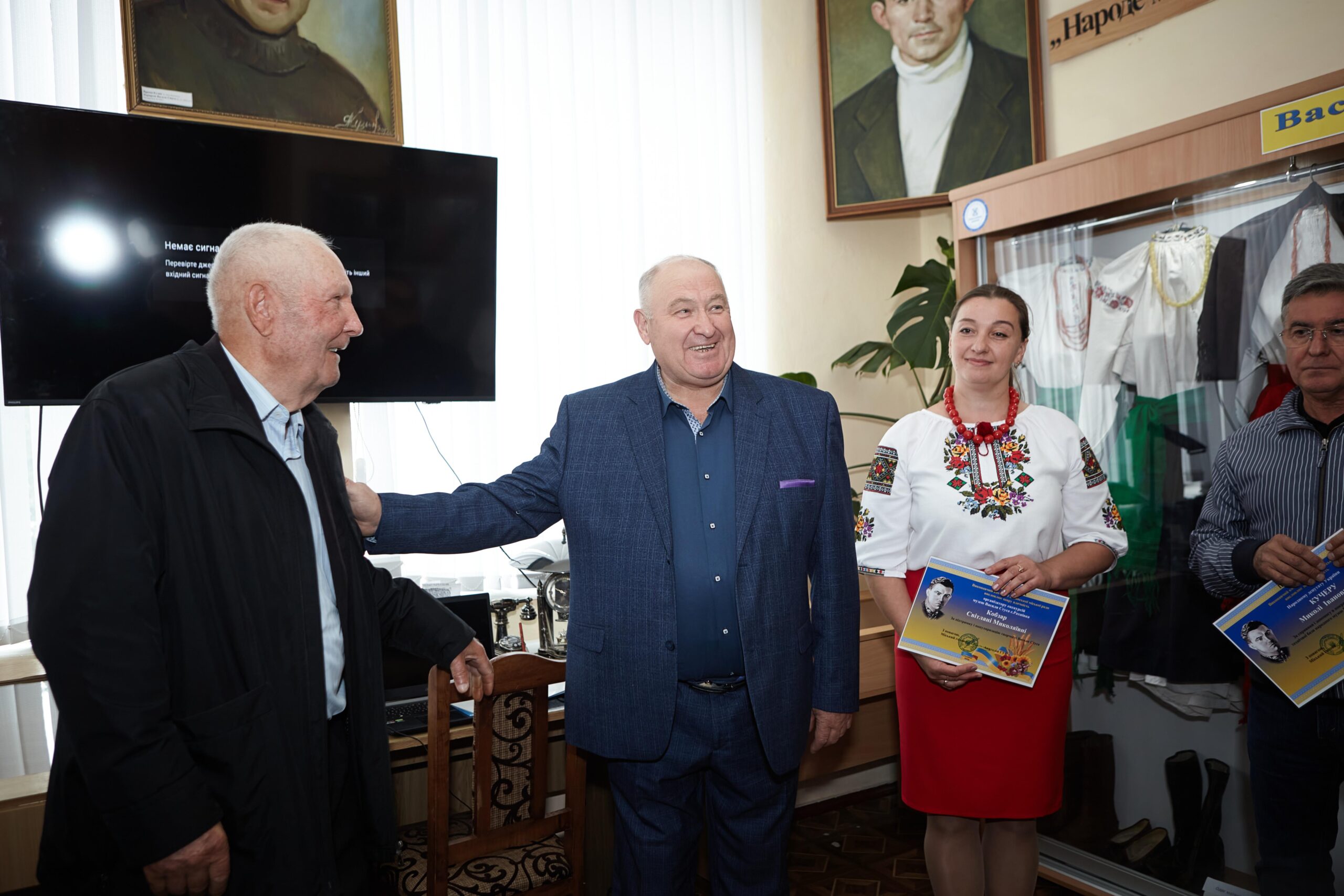
Tetiana Volochai, Director of the “MHP-Gromadi” Charitable Foundation, noted that the decision to extend support for cultural projects in Ukraine during the war was a deliberate one, as it is now as important as supporting our army.
“This is just the beginning, we see a lot of strength and energy in this. We see a great demand for this support. After all, only unity and understanding of our traditions and history will help us win the victory we all want. After all, russia is trying to destroy our culture, our language, our memory. This year, our team realized that cultural projects help us reconsider our Ukrainian identity. And we decided to support museums about famous Ukrainians who have done a lot for our independence,” said Tetiana Volochai.
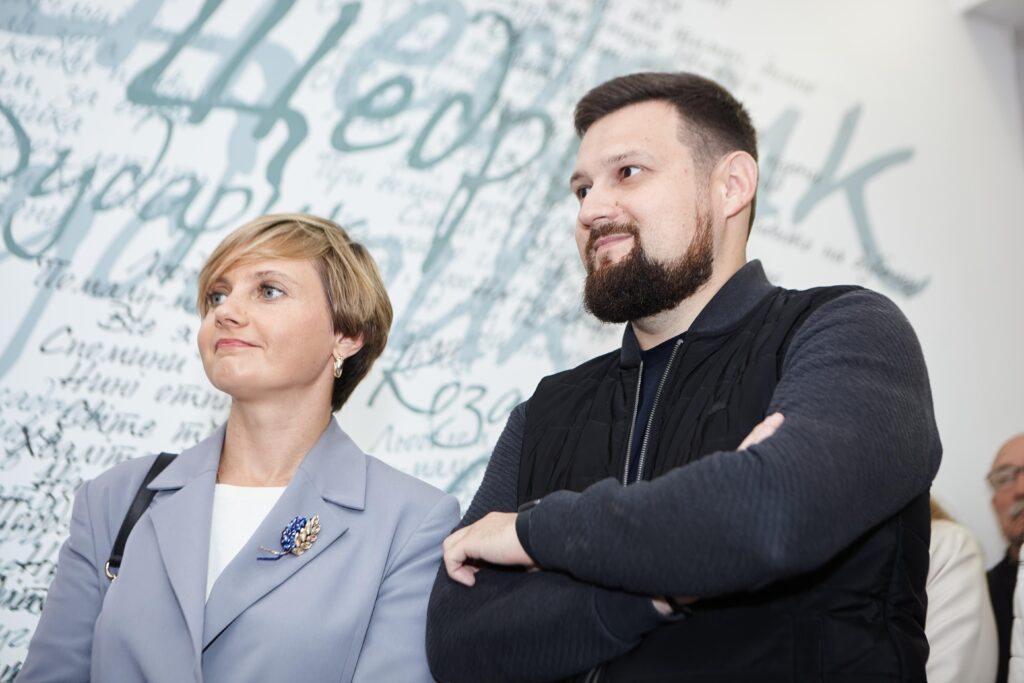
Tetiana Volochai and Pavlo Moroz
The museum of the famous Mykola Leontovych, located in the village of Markivka in the Teplyk community, also received assistance from “MHP-Gromadi”. On January 23, 1921, the life of the outstanding composer was tragically cut short in his parents’ house. However, the memory of the legendary Ukrainian who created the world’s most famous hit song, “Shchedryk,” is still preserved in the village to this day.
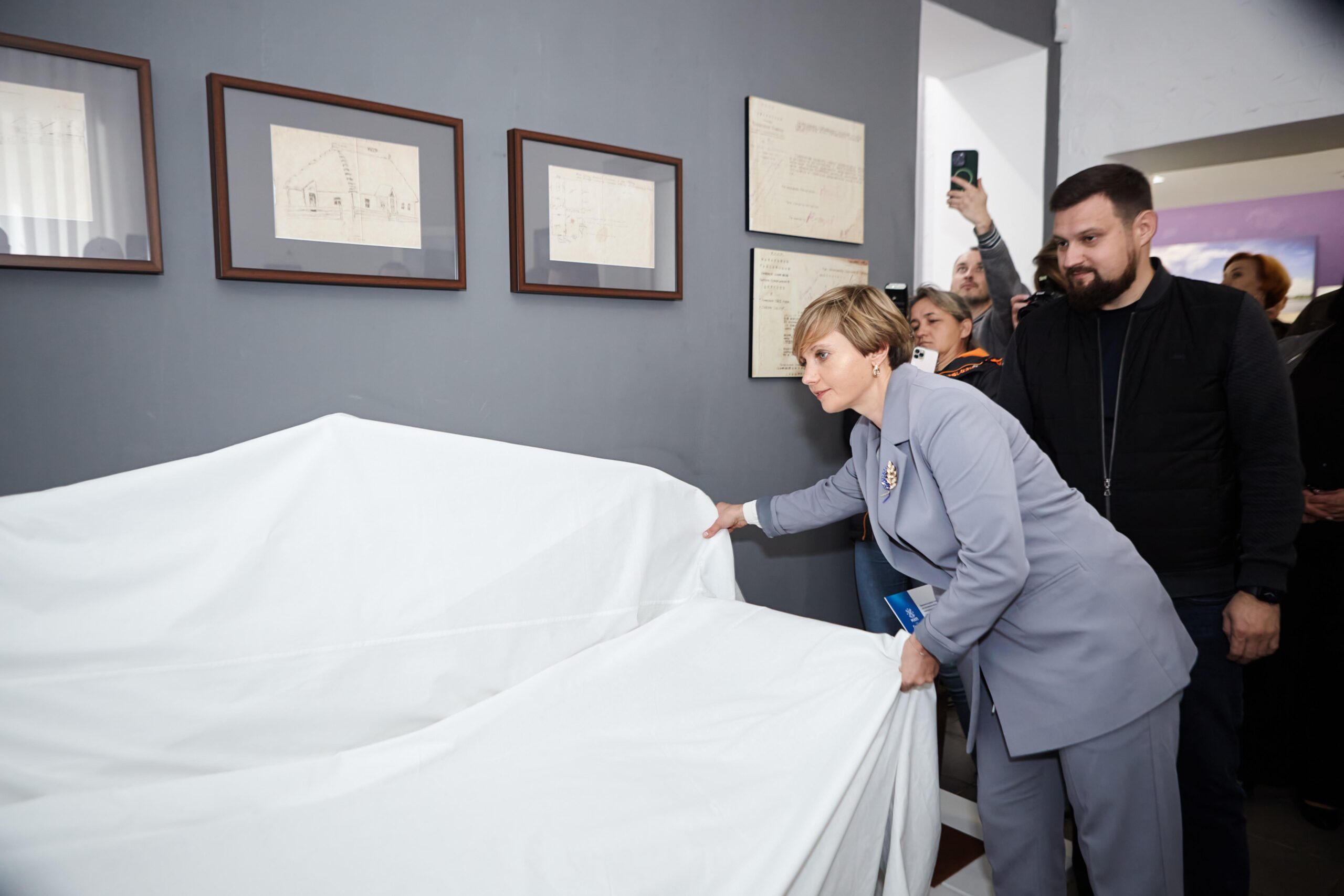
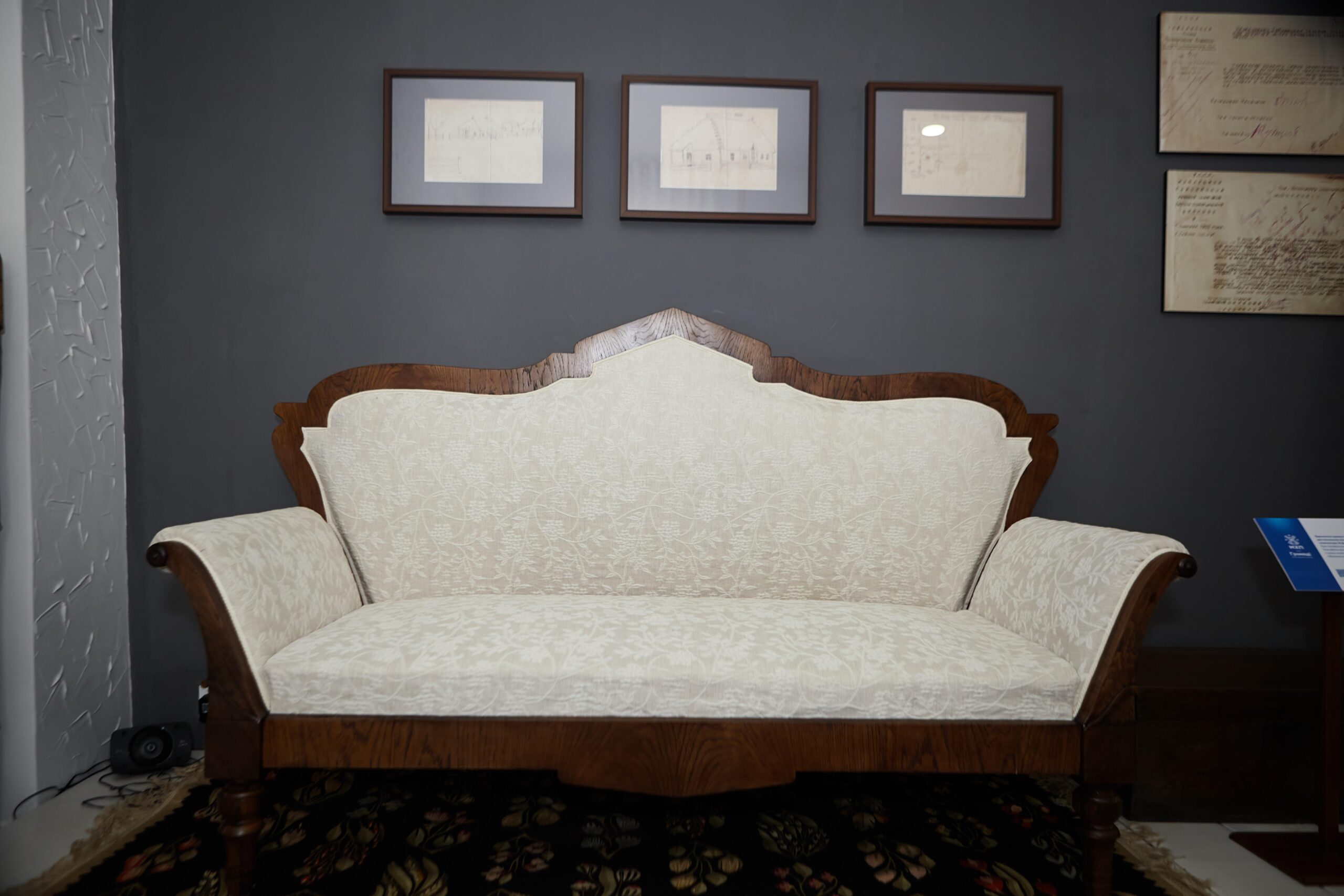
In particular, the manufacture of a replica of the 19th-century sofa on which the famous composer was killed was financed. Also, the delivery of an old piano made in 1905, which was donated to the museum by a visitor from Cherkasy, was provided. In total, the amount of financial support provided by the benefactors of “MHP-Gromadi” is almost UAH 80K.
“We really wanted to make a replica of this particular sofa, it was the number one issue for us. Now, thanks to the Charitable Foundation, the museum has such an invaluable exhibit. This is primarily about preserving cultural heritage. If we don’t know our history and past, what kind of future can we and our children have? “MHP-Gromadi” and all the foundations that help the cultural sector make a huge contribution to the development of the country, said Olha Prokopenko, Head of the Mykola Leontovych Museum.
The “MHP-Gromadi” Charitable Foundation has already supported six museums in total: the Vyacheslav Chornovil Estate Museum in Cherkasy region, the Mykola Leontovych Museum in Vinnytsia region, the Vasyl Stus Museum in Vinnytsia region, the Vasyl Symonenko Museum in Cherkasy, the Trypillia Culture Museum in Cherkasy region, and the National Museum of Folk Architecture and Life of Ukraine in Kyiv.
Pavlo Moroz, Director of MHP’s Corporate Social Responsibility Department, said that supporting institutions that preserve and bring the Ukrainian cultural code to the masses was a priority for the company even before the full-scale Russian invasion.
“Back then, I felt that the people of Ukraine should know their history, heroes, domestic life, art, and the figures who lived and died for our nation. Having worked through the territory of Ukraine, we selected several museums that, in our opinion, now emphasize the meaning of Ukrainianness the most. They are really meant to affirm the Ukrainian identity. When there was no Mongol-Tatar invasion, Ukraine already had a civilization. People had a livelihood in the full sense of the word: from manufacturing to clothing and food. Therefore, these six museums that we have now supported are only the first step, and we will not give up on scaling up this project,” said Pavlo Moroz.
