

Новини
Several Adaptive Sports Spaces Opened in Ivano-Frankivsk Region for Veterans, Service Members, and People with Disabilities
05 february 2026
Several adaptive sports spaces have opened in Ivano-Frankivsk region for veterans, service members, and people with disabilities. The new locations are now operating in Ivano-Frankivsk and in Zabolotiv, Kolomyia district, as part of the nationwide grant programme “Chas Diyaty, Nestrumni!” (Time to Act, Unbreakable!). The initiatives focus on physical rehabilitation, social reintegration, and recovery through adaptive sports.
Both projects were among the top 20 winners of the “Chas Diyaty, Nestrumni!” competition last year, which supports the development of sports infrastructure for veterans, service members, and people with disabilities. The initiatives combine physical recovery, psychological support, and community building through sport.
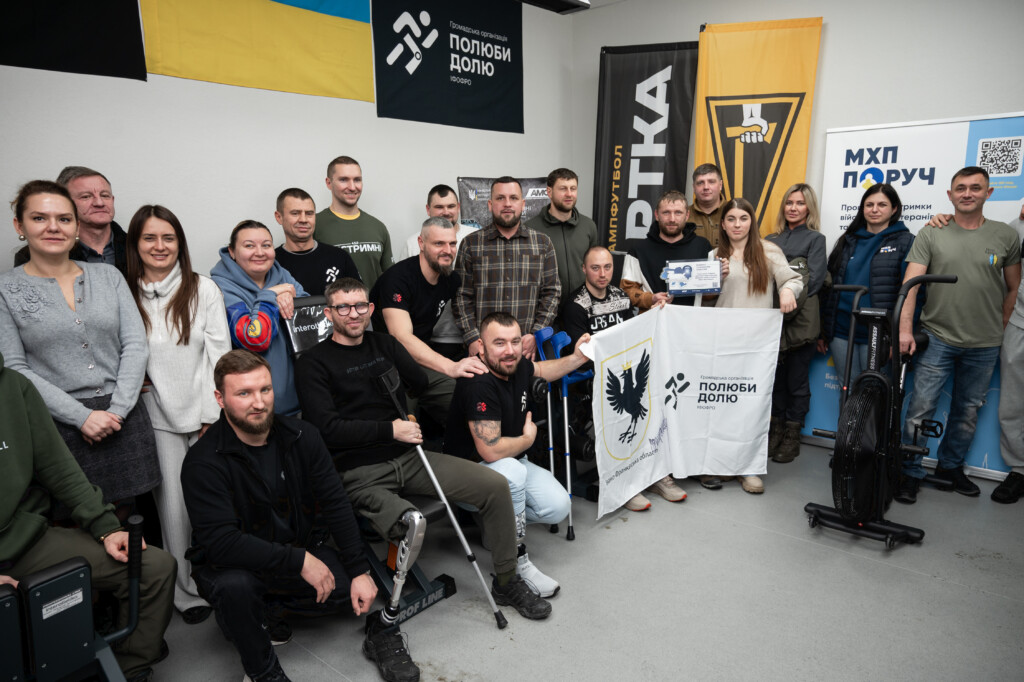
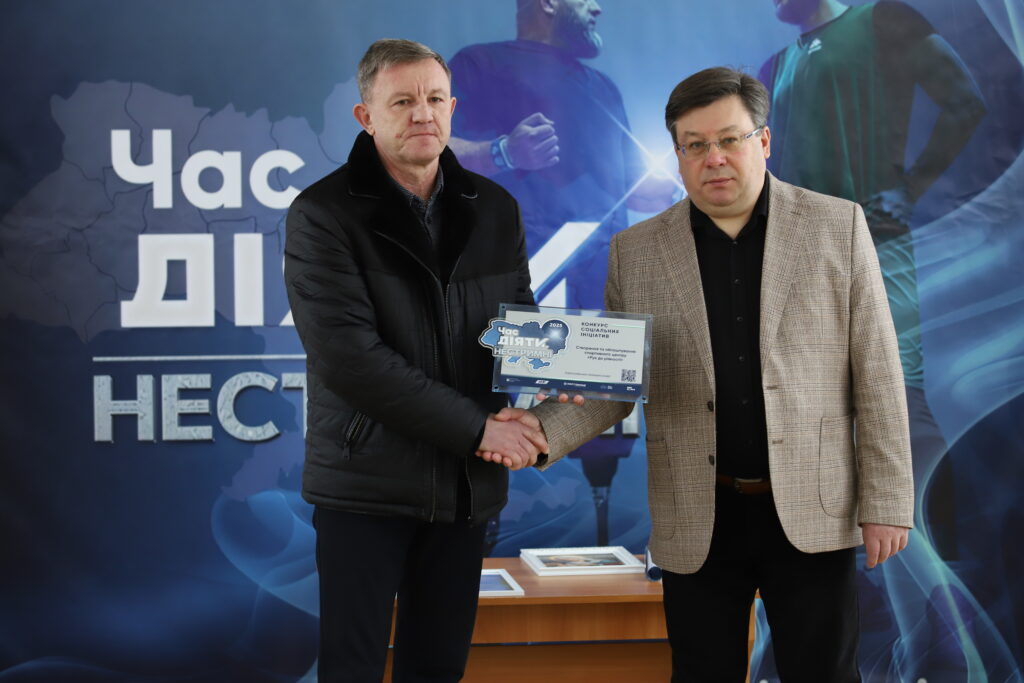
Grant support was provided by the State Institution “Agency for Mass Sports of Ukraine” with the support of the Ministry of Youth and Sports of Ukraine within the “Active Parks” Presidential Programme, the Fedor Shpyg Foundation, and the MHP–Hromadi Charitable Foundation within the military, veteran, and family support programme MHP Poruch. Some initiatives were also implemented with the participation of local communities and partner foundations.
“Adaptive sport is not only about equipment. It is about creating spaces for recovery, belonging, and building new social connections. This is where veterans and people with disabilities can return to active life and inspire others”.
In Ivano-Frankivsk, an adaptive sports club has opened at the municipal sports complex Rukh Stadium. The space is equipped to develop adaptive sports, including strength disciplines, amputee football, and historical combat sports (buhurt). The club is accessible for people with disabilities and veterans and provides professional coaching support. The project is designed to engage at least 100 veterans and their family members and offers free training sessions.
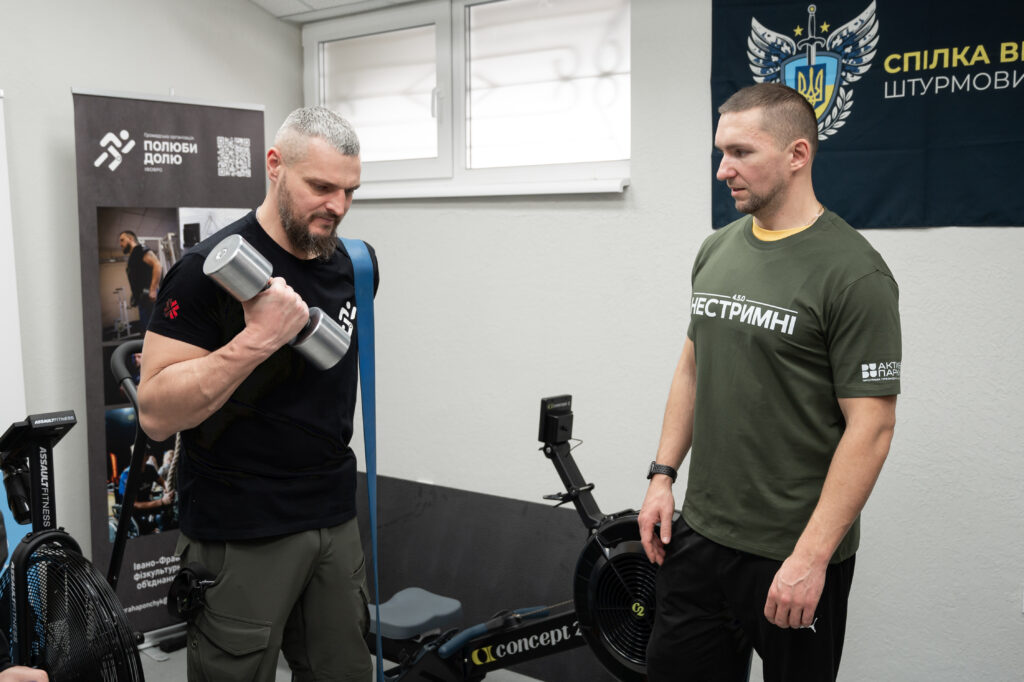
In the settlement of Zabolotiv, the “Movement Towards Equality” adaptive sports and rehabilitation centre has opened at the regional comprehensive rehabilitation centre Lelechenia. The project created a barrier-free space and provided sports and rehabilitation equipment, including arm and leg trainers, a standing frame, a treadmill, and other equipment. Programmes in adaptive sports, general physical training, and therapeutic exercise have been developed for visitors.
“For our community, this centre is not only about sport. It is a place where veterans can gradually return to everyday life, find support, and feel that they are needed here”.
Following the opening, demonstration training sessions were held for veterans, service members, and their family members, allowing participants to learn about the equipment, training formats, and coaching support.
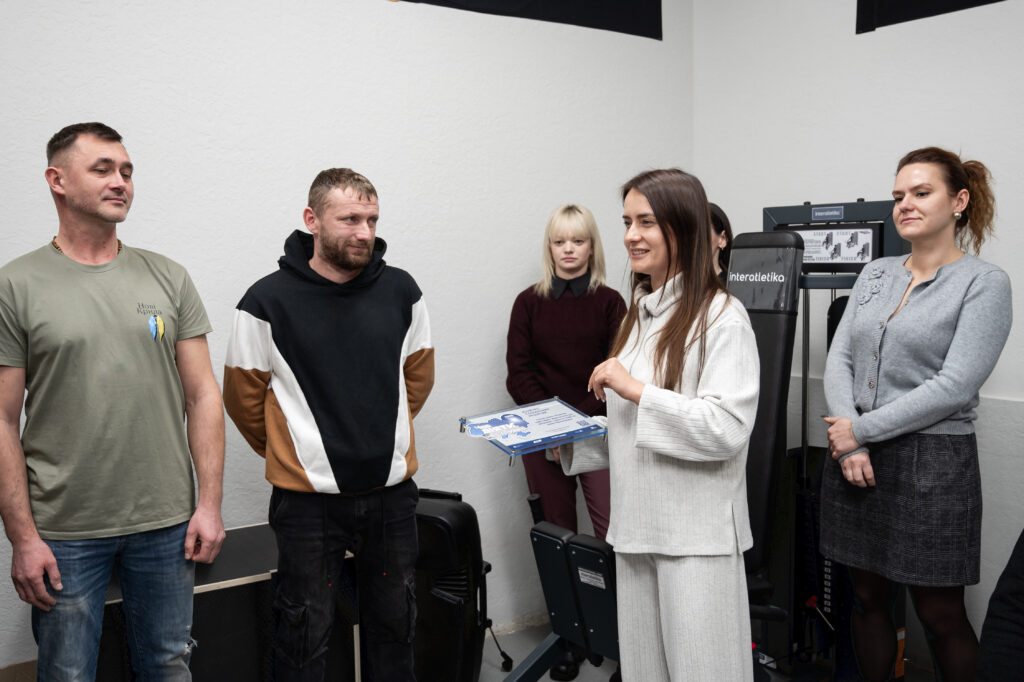
Among the first visitors was veteran Volodymyr Nehrych, who, after returning from the фронт, now works as a coach and encourages fellow veterans to join regular training.
“Returning to civilian life takes time. Sport helps you stay open, keep your body moving, and maintain a sense of team around you”.
The adaptive sports spaces in Ivano-Frankivsk region are part of a nationwide network. Over the past two years, more than 30 such clubs and centres have opened across Ukraine through cooperation between the state, communities, and partners, making recovery for veterans more accessible, closer to home, and systematic.