Новини
Bicentennial windmill from Taras Shevchenko’s childhood renovated in Cherkasy Oblast
28 december 2023
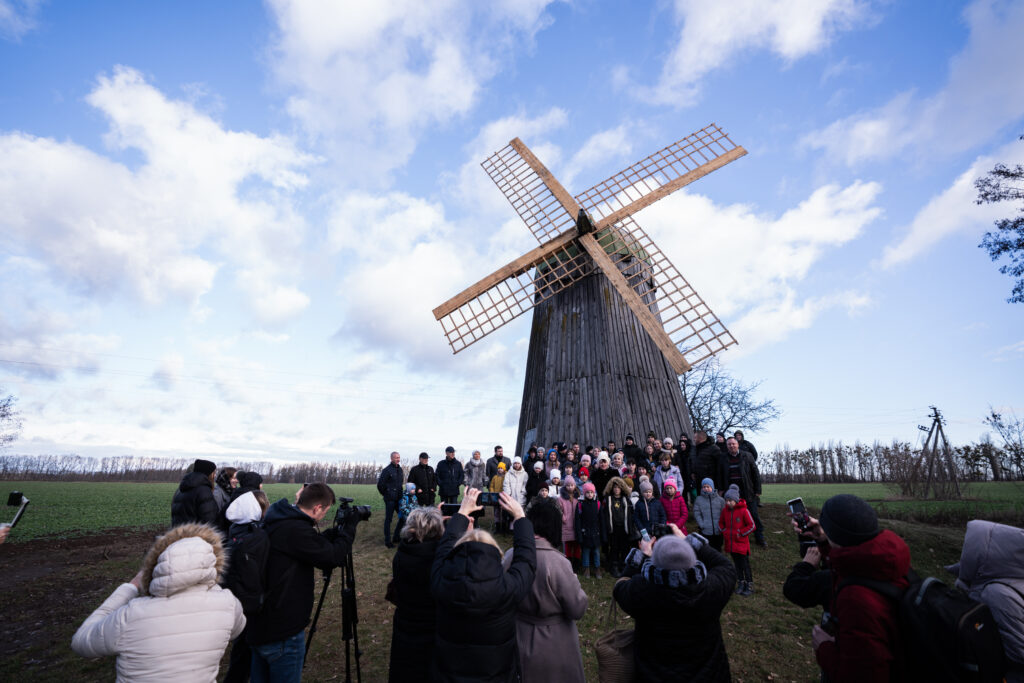
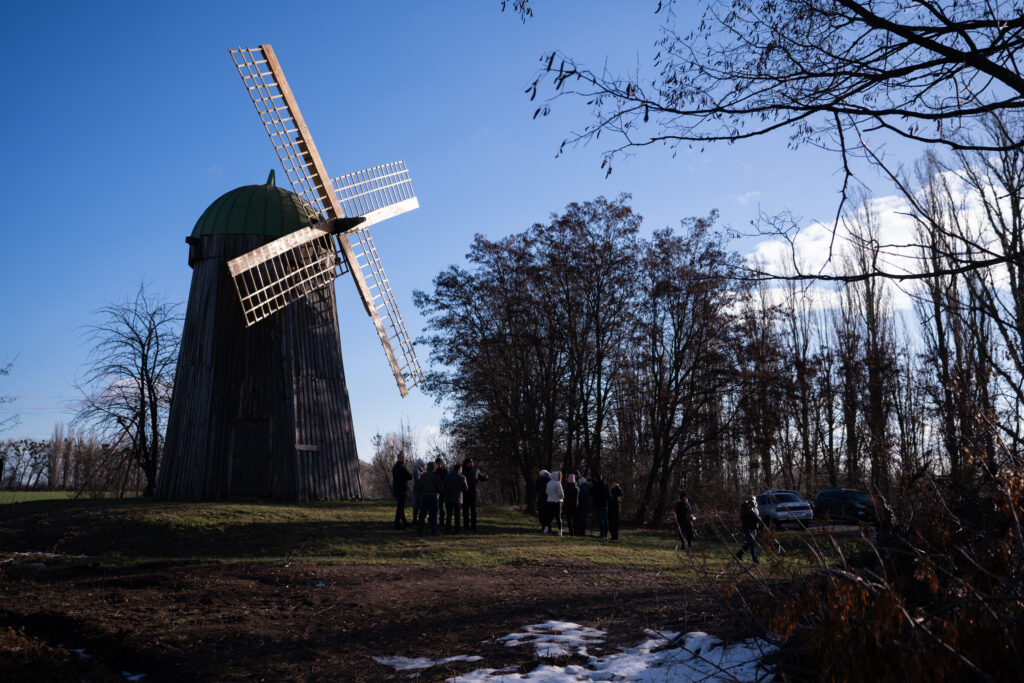
The bicentennial windmill that stands in the Taras Shevchenko Homeland National Reserve in the Shevchenkove village of the Cherkasy Oblast has undergone repairs. The Budyshchansky windmill is an object of cultural heritage of the Cherkasy Oblast. This is the only windmill out of 28 that operated in Shevchenkove during Taras Shevchenko’s childhood and were made using a unique Dutch technology, where only the tower moves, that has survived.
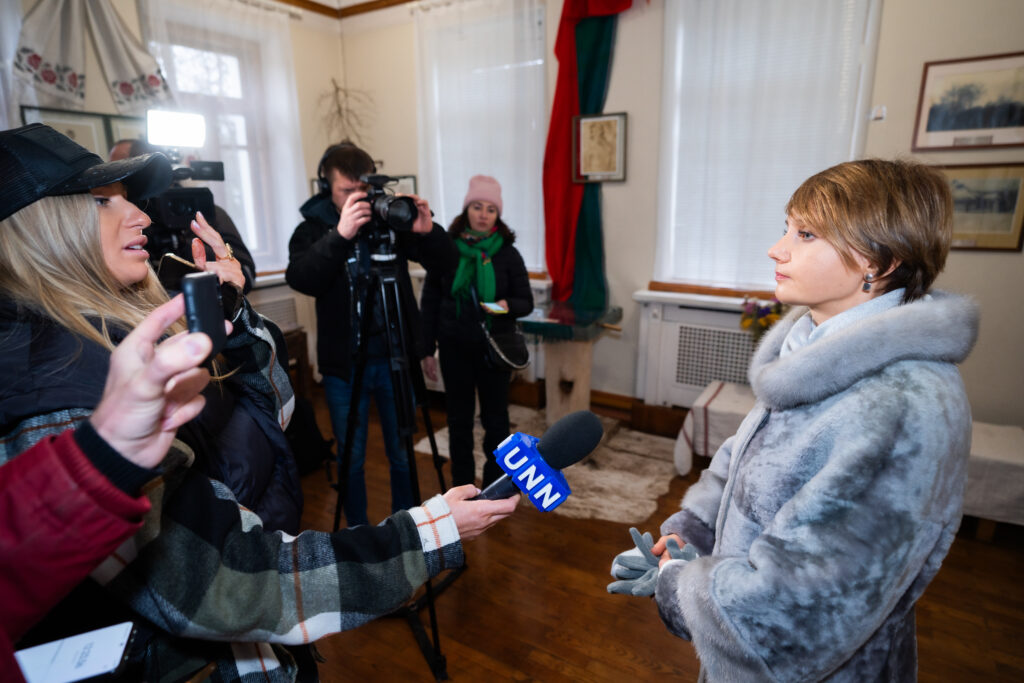
“This windmill is located at the highest point between the villages where Kobzar spent his childhood — Morintsiy, Kerelivka, and Budyshche. The tract he mentioned in his poem “The Haidamaks” and where he grazed lambs outside the village is a stone’s throw away. These are the paths and places of Kobzar’s childhood. Our partners and I have a dream not only to preserve but also to restore the cultural monument to show the next generations how flour is made from grain. Windmills used to serve as communication centres,” says Liudmyla Shevchenko, director of the Taras Shevchenko Homeland National Reserve.
The MHP-Gromadi Charitable Foundation financed the first stage of the repairs which included the restoration of the wings of this unique windmill that have been replaced more than 10 times over the past 20 years due to damage caused by severe storms. This time, the wings for the windmill were made of durable, high-quality oak.
“It’s important for us to keep cultural landmarks that tell people about their past and help them plan for the future. The museum runs numerous excursions, and visitors get to know the history, culture, and patterns of their ancestors’ way of life,” says Tetiana Volochai, Director of the MHP-Gromadi Charitable Foundation.
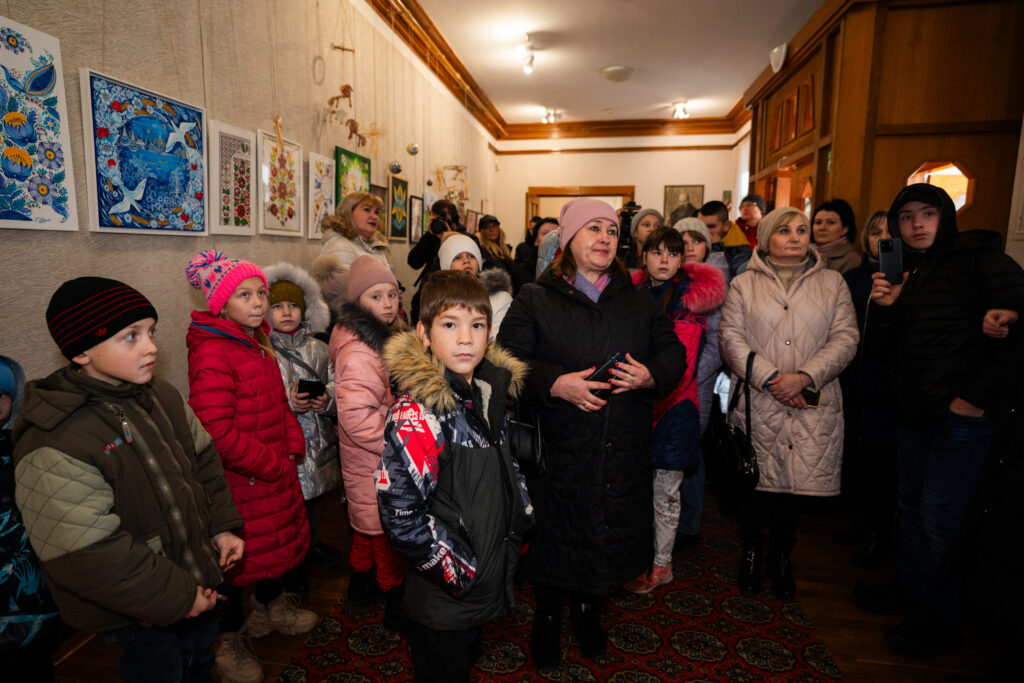
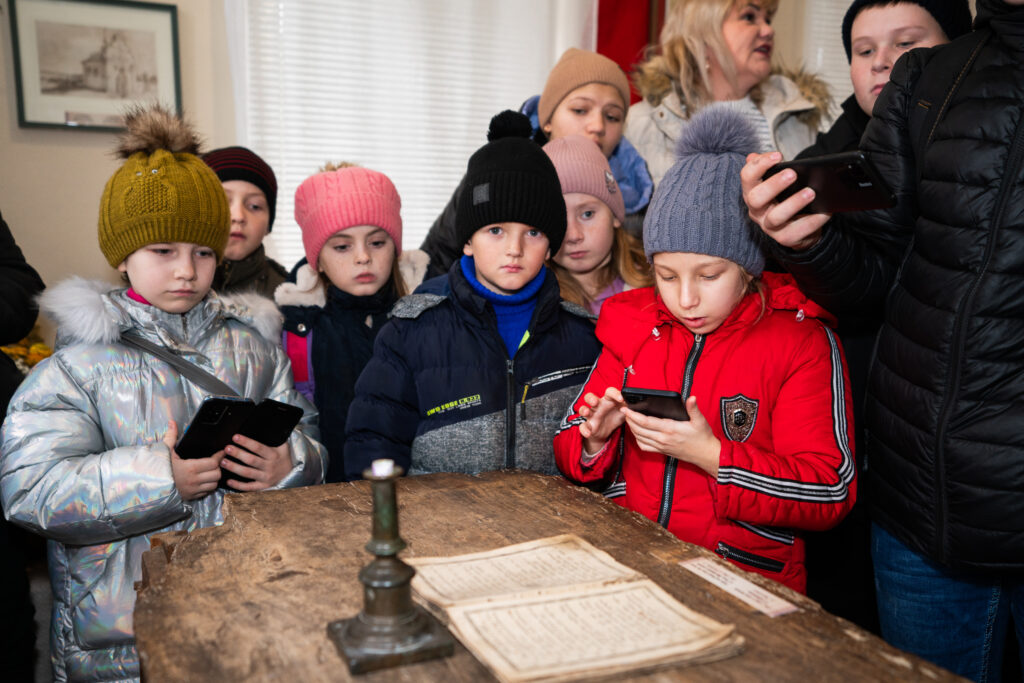
An invitation to visit the windmill and the Taras Shevchenko Homeland National Reserve was extended to the children of military personnel from the Cherkasy Oblast.
“MHP is a strategic partner of the MHP-Gromadi Charitable Foundation. Helping the culture is one of our main objectives. We have to teach our kids about Ukrainian customs and values at this crucial time in history. The best way to accomplish this is through cultural heritage sites. These lands helped shape Taras Shevchenko’s mind, his freedom-loving spirit, and his unwavering faith, for example,” believes Pavlo Moroz, Director of the Corporate Social Responsibility Department at MHP.
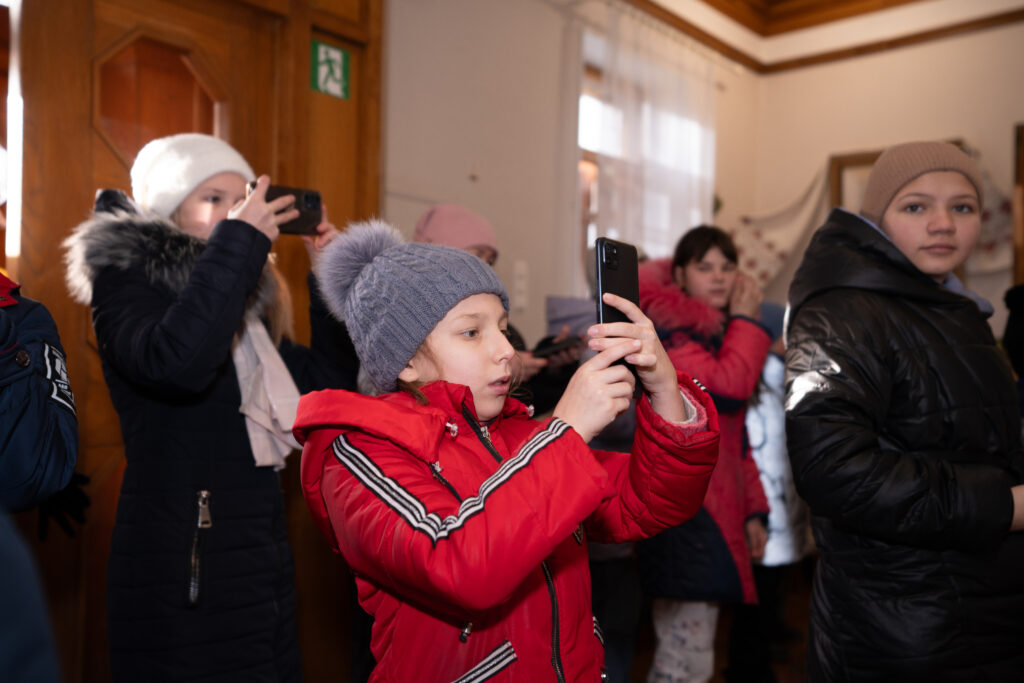
On that day, more than 50 children from the families of Ukraine’s soldiers could see the windmill and other landmarks in the reserve. There Are No Other People’s Troubles NGO helped implement the initiative.
“We were asked to provide emotional relief and relaxation. It is particularly important for children. This was why we used our resources to arrange meaningful excursions, master classes, and other engaging events for the younger audience. Our children will rebuild and develop the country after the war. At this difficult time, we must create a foundation for them to develop their potential and preserve their emotional and mental health. Such events will become a tradition,” said Ivan Poluden, Director of There Are No Other People’s Troubles NGO.
Arsen from the Novoselytsia branch of Katerynopil Lyceum No. 1 came to the windmill with his younger sister. The children’s father had recently returned from the war, and this, they said, was the greatest joy for their family.
“This is the first time that I have seen such a windmill. Seeing it in real life is entirely different from seeing it in a picture. I have liked its structure the most. It is so huge and strong,” says Arsen.
The project management was the responsibility of the team of the Ecological Movement of Cherkasy Region NGO, which undertook historical and local lore research, investigated technologies, engaged experts, hired equipment, and organized installation work.
“This windmill is unique because it is made using Dutch technology, where only one tower moves. The miller could turn the tower whenever the wind direction changed. Our experts went to the Petro Kalnyshevskyi Museum in the Sumy Oblast to recreate how the turning mechanism works. They studied the technology. When they returned, local craftsmen carried out all the repair work and reconstructed the wings,” said Vadym Lioshenko, Director of the Ecological Movement of Cherkasy Region NGO.
The museum staff and partners also plan to restore the walls of the windmill using historic documents as guidance.